Second Sheet
One sheet already goes in the envelope, carrying a paint colour. This is the second: the paper that goes with it, printed to exactly that colour.
What this is
The Fan Deck idea in Assay proposed a contract wallcovering line keyed to a paint manufacturer's palette, sold to specification writers. Pointed at Samplize instead it becomes a consumer product, sitting where the colour is already being chosen.
Second Sheet is twelve patterns, printed on demand, with the ground colour set to whichever paint sheet is already in the basket. Nothing on the channel competes with it, because there is no wallcovering on the channel.
Everything below is measured on two consumer records and one trade record, named at each figure. The twelve patterns are drawn from the motifs and SKUs those records rank; the colours are the real published hex values of the paint colours people actually order.
Colour concentration
Consumer colour demand is twice as concentrated as trade
In trade sampling, residential customers spread across 8,835 colours and the top 24 cover only 10.6% of demand, which is too flat to merchandise against. The consumer record is a different shape: on Samplize, 24 colours cover 20.0% of order lines and 40 reach a quarter.
That is what makes a fixed colour suite worth leading with. The range still prints to any colour, because the press is digital, so the concentration argues for what to merchandise rather than what to stock.
Samplize order lines, twelve months to 15 August 2026. Brand mix over the same window: Benjamin Moore 51.8%, Sherwin-Williams 39.9%, Farrow & Ball 7.5%.
The behaviour already exists
The pair is only sold inside one palette at a time
Paint is the largest sampling category on Material Bank: 3,518,961 order lines from 54,730 customers in twelve months, against wallcovering's 1,017,965 from 33,754. Of the customers who sampled wallcovering, 82.8% also sampled paint, and at project level the two travel together in 65.1% of cases.
They do not arrive together. Only 26.1% of orders containing wallcovering also contain paint, and in residential work 3.9% of paint-carrying orders pick up any wallcovering sample.
Farrow & Ball and Little Greene do sell the pair, and sell it well, but only in their own colours. That is the constraint worth measuring: on Samplize, Benjamin Moore and Sherwin-Williams are 91.7% of order lines, and neither makes a paper a customer can key to a colour they have just chosen. Farrow & Ball, the one brand on the channel that could complete the pair, is 7.5%.
The pair exists inside a palette. It does not exist across the two palettes nine customers in ten are actually choosing from.
Measured: 240,566 residential wallcovering order lines
What patterns actually get specified
Pattern is a controlled published column on 96.7% of live wallcovering SKUs, so it can be counted rather than read off a photograph. Each family's share of residential order lines is set against its share of the shelf. At 1.00 a family is ordered as often as it is stocked; above, it is under-supplied for this buyer.
Index = share of residential order lines ÷ share of live shelf SKUs. Second figure is order lines. Families are multi-label, so a SKU carrying Botanical and Scenic counts in both. Every row clears 25 distinct customers.
The consumer channel agrees on botanical and disagrees on texture
DesignShop carries 13,308 pattern-labelled wallcovering lines. There Texture indexes 2.85 rather than 0.59, and Botanical stays high at 16.2% of lines. The reversal is a supply effect: the trade shelf is more than half texture because it is built for contract work, while the consumer shelf holds only 11.4% and sells it hard. Both records rank grasscloth, sisal and linen weaves among the top sellers.
Where the two agree is stronger evidence than either alone: botanical patterns, drawn large. Large scale indexes 1.80 against 0.82 for small, over the same 240,566 residential order lines.
Motif is a published column, weighted here by residential order lines rather than by shelf count. Every motif shown clears 25 distinct customers. Peacock, Branch, Palm, Monkey and Tiger follow behind.
The range
Twelve patterns, each one drawn from a measured motif
Five botanicals, an animal print, a tropical, a grasscloth, and one each of a stripe, a check, a wash and an ink. Nothing here is in the range on taste. A pattern is in when it is a motif that survives print-to-colour, and has a named SKU or a motif rank behind it; each card names which.
Eleven families index above 1.00, and seven of them have a sheet. Toile, first of eighteen at 4.50, is Heron & Sprig: monochrome line work on a pale ground is toile's own technique, and it is the family this mechanic suits best. Animal Print is Rosette, Botanical is five sheets, Natural is the grasscloth, Plaid and Check is Hunter Check, Stripe is Field Stripe, and Abstract and Organic is Brushed Ink.
Four are left out. Scenic at 1.72 goes on format rather than on demand: a scenic is a non-repeating mural sized to a wall, which cannot be shown on a square sample. Novelty at 1.33 is a grab-bag of themed one-offs that no single sheet can stand for. Damask and Moire at 1.13 and Herringbone at 1.10 are the two sitting closest to the line, on 2,285 and 5,406 lines. That is a judgement about a twelve-sheet range rather than a reading of the record, and a longer range would take them first.
Texture, solid, woven and woodgrain are skipped as subjects for a reason the index does not carry: a woven or embossed material is a surface the press cannot print, and a solid competes with the paint rather than pairing with it. Paperweave is the deliberate exception, and the grasscloth ground runs under several of the drawings.
Every ground is rendered to the published hex of the paint colour named beneath it, so the paint sheet can be laid against the paper sheet and read as one colour.
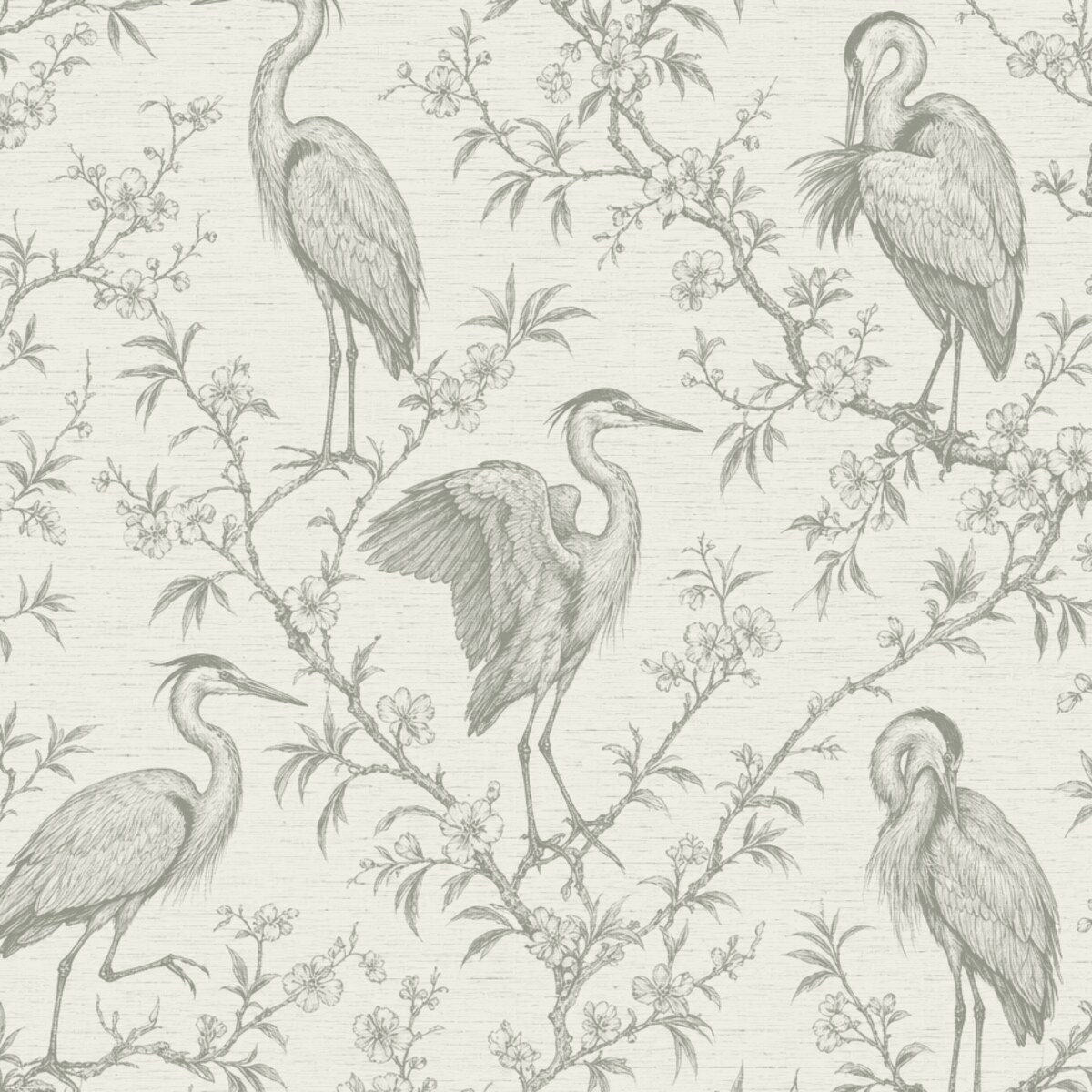
Heron & Sprig
Botanical / Toile · LargeBird is the most-ordered residential motif at 3,271 lines, on Sprig & Heron; Bird and Blossom Chinoiserie; Avril Chinoiserie; Royal Peacock. Drawn in toile's own technique, one ink on a pale ground, so it carries Toile too, first of eighteen at 4.50. The branchwork carries the field and the birds are sparse incidents on it, which is how the reference houses stop a large motif reading as a repeat.
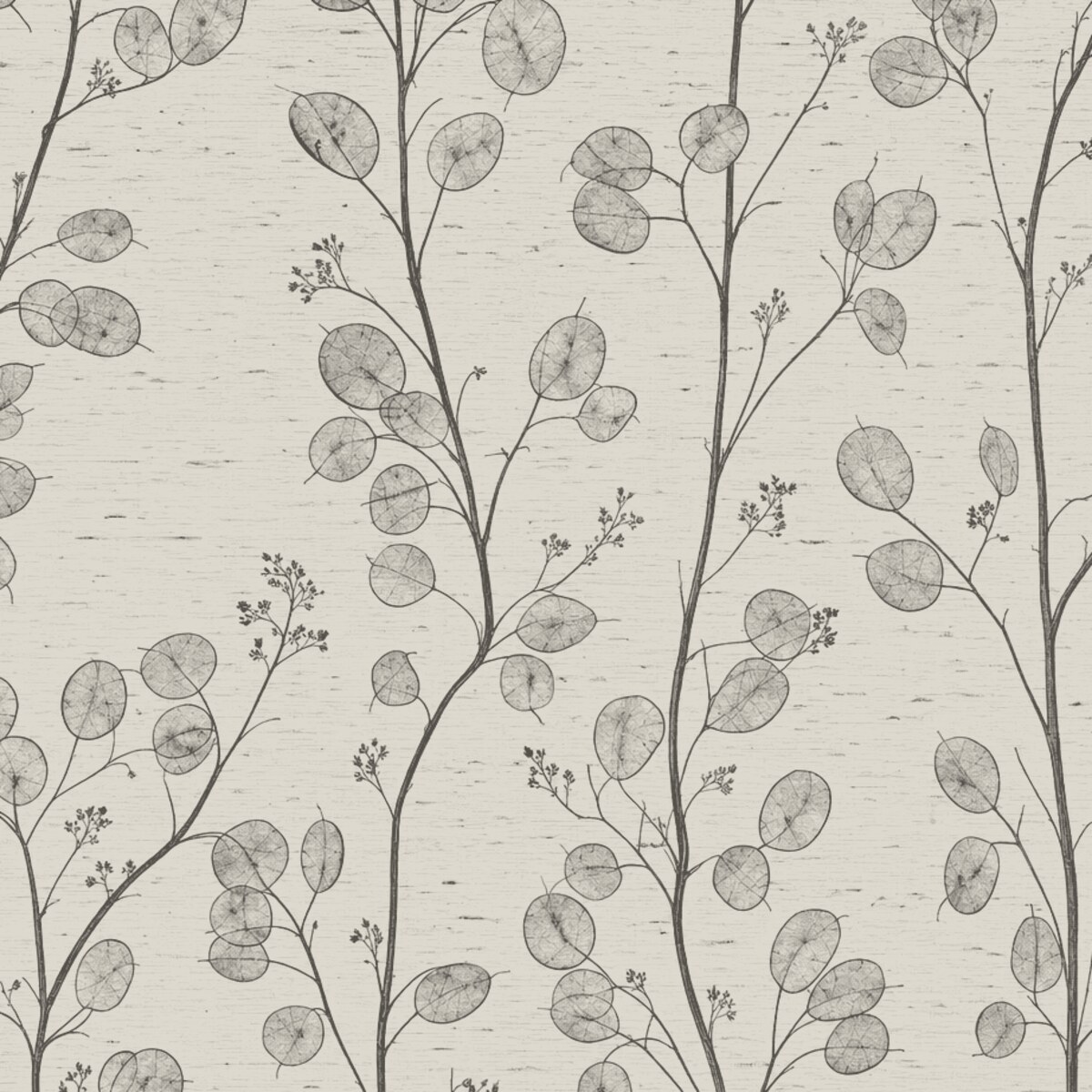
Lunaria
Botanical · LargeLunaria Silhouette carries 725 residential lines across two colourways, both inside the top twelve SKUs. Printed on a sisal ground, which is what five of the reference's fourteen best sellers do.
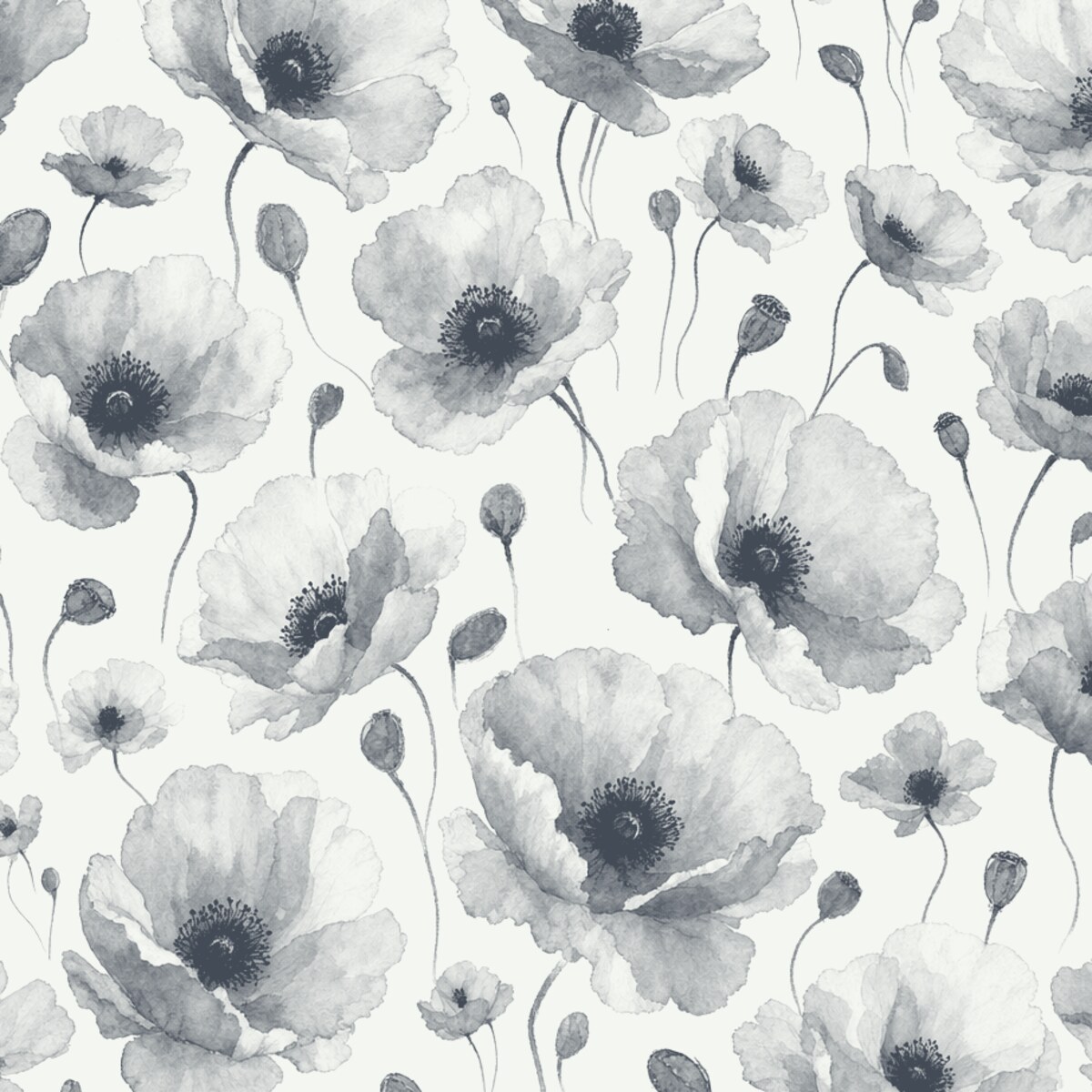
Poppy Toss
Botanical · MediumFlower is the second motif at 3,123 lines and Watercolor adds 484. Vincent Poppies, Shimmering Poppies and Watercolor Bouquet are the sellers.
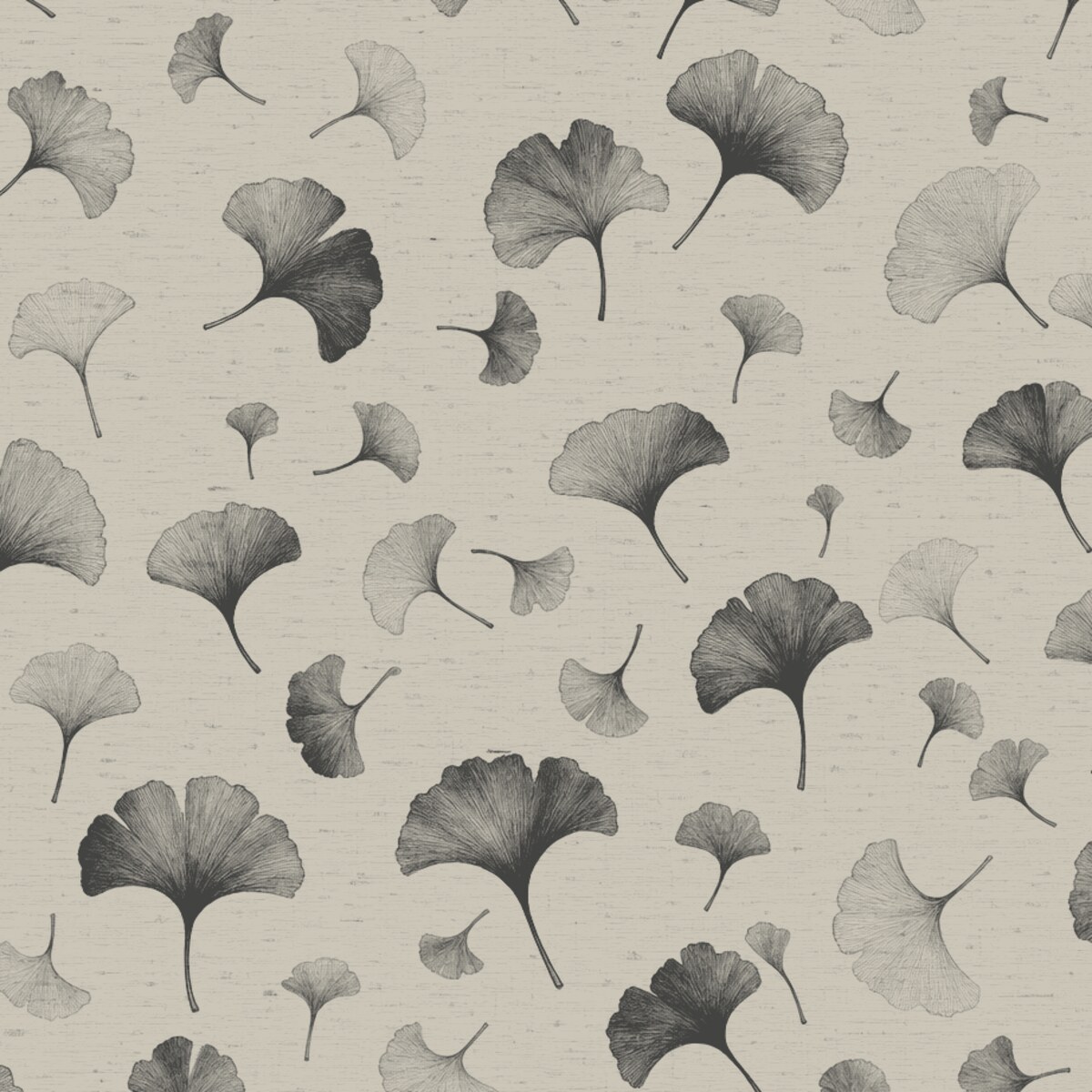
Ginkgo
Botanical · MediumLeaf is the third motif at 2,973 lines. Ginkgo Toss and Shimmering Foliage are what this draws from, tossed at varied rotation on a sisal ground.
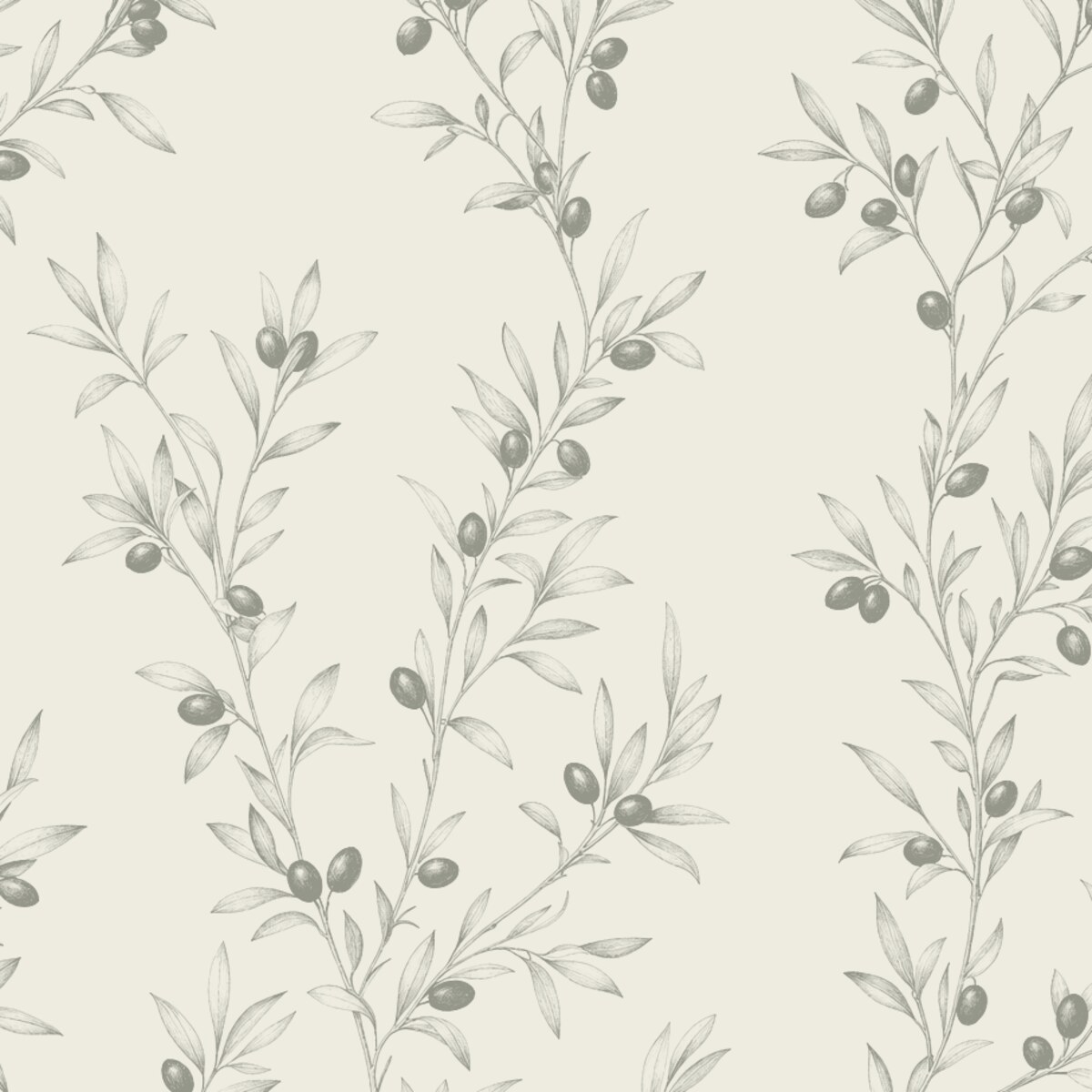
Olive Grove
Botanical · MediumTree and Plant together carry 3,037 lines. Olive Mill sells 597 across two colourways, with Orchard, English Vine and Luminous Branches behind it.

Palm Court
Tropical · LargePalm or tropical draws 1,771 search requests from 583 members inside wallcovering language, against a shelf of 152 palm SKUs and 44 tropical. The palm carries this sheet alone; the animal-print evidence is served by Rosette instead.
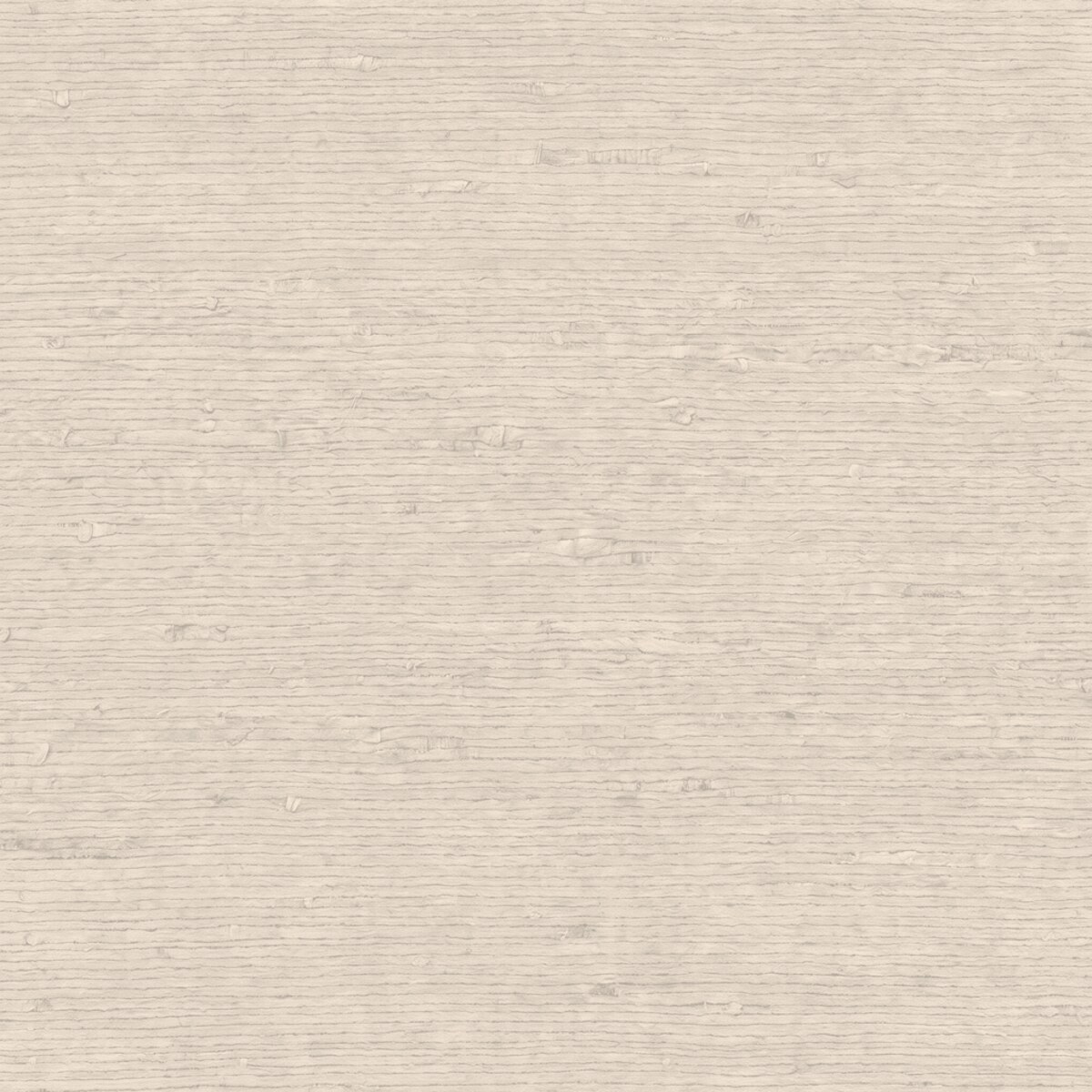
Paperweave
Texture · PlainThe single biggest block of consumer volume, and 4,269 search requests from 1,285 members. Orsina Sisal, Carreno Jute, Edo Paperweave and Knotted Grass all rank. The one woven ground in the range, and the one sheet whose subject is the material rather than a drawing on it.
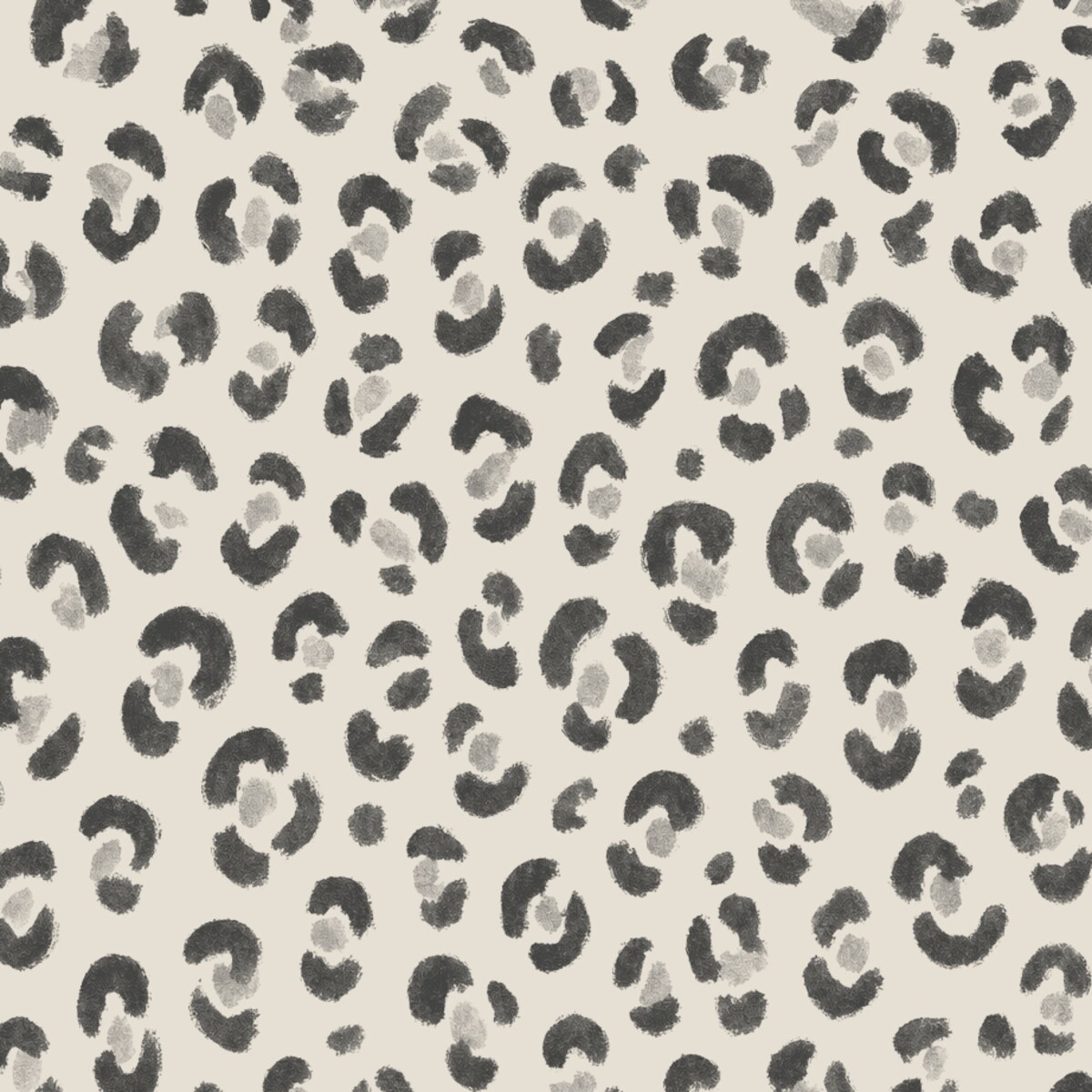
Rosette
Animal print · SmallAnimal Print indexes 3.62 on 6,890 residential lines, second of eighteen families, and Pinterest puts “leopard print bedroom” among its fastest-growing home decor keywords, up 50% year on year, though that second reading is British and Irish rather than American. The family is animal print, so the instrument is a pelt rather than an animal in a scene.
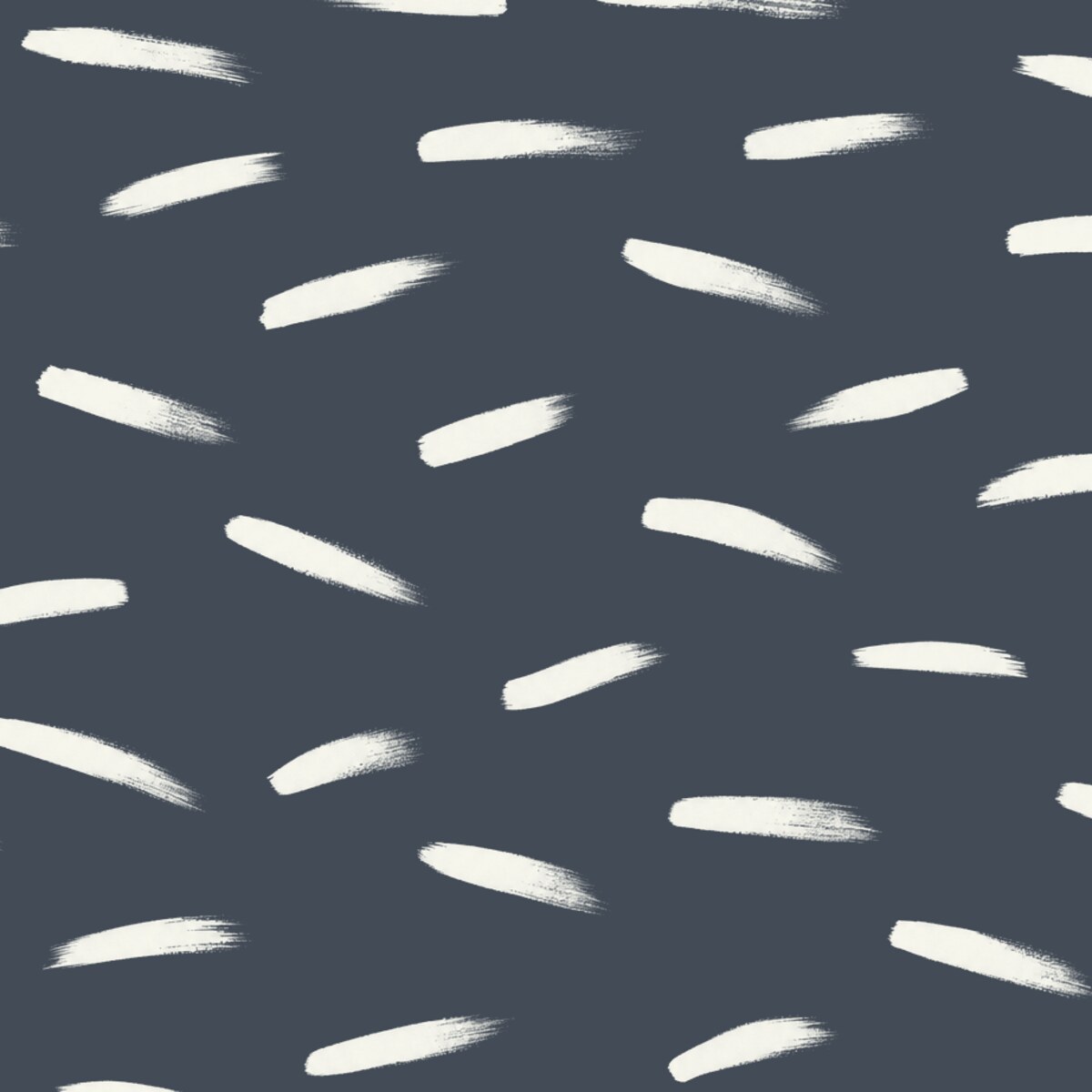
Brushed Ink
Abstract · MediumAbstract and organic take 18.4% of residential lines on 44,317 lines. The one sheet printed in reverse: the deeper paint colour becomes the ground and the pale one the drawing, which is what the range looks like when someone picks a dark wall colour.

Strie Wash
Ombre · PlainThe one sheet admitted below the trade line. Strie and ombre carry 10,849 residential lines but index 0.87 there, against 1.43 on the consumer channel: the same trade-to-consumer reversal texture shows. It is also the only sheet needing two paint colours, so it demonstrates the matching mechanic more directly than the rest.
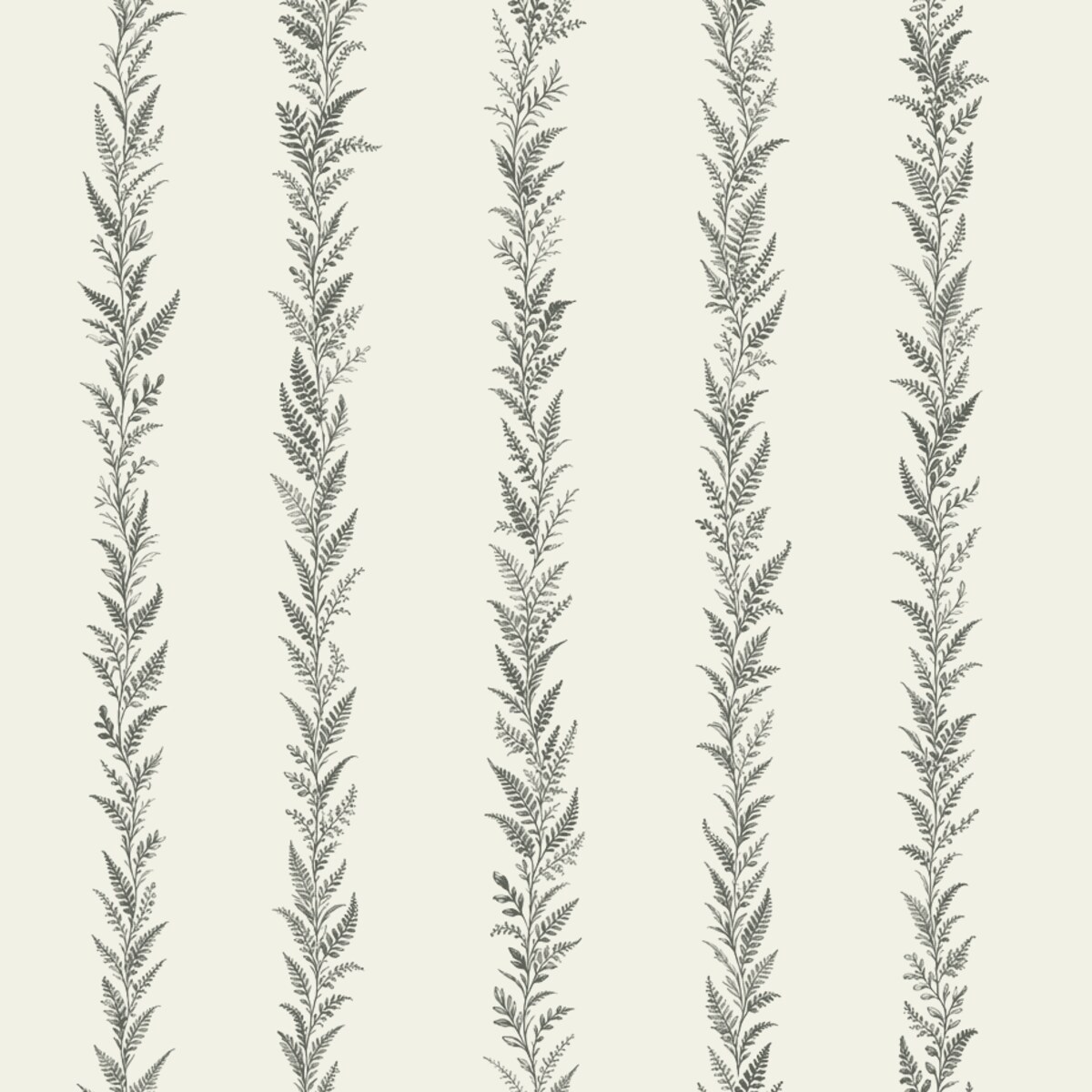
Field Stripe
Stripe · MediumStripe carries 15,490 residential lines at an index of 1.16. Built from botany rather than plain bands, following almost every stripe in the reference house.
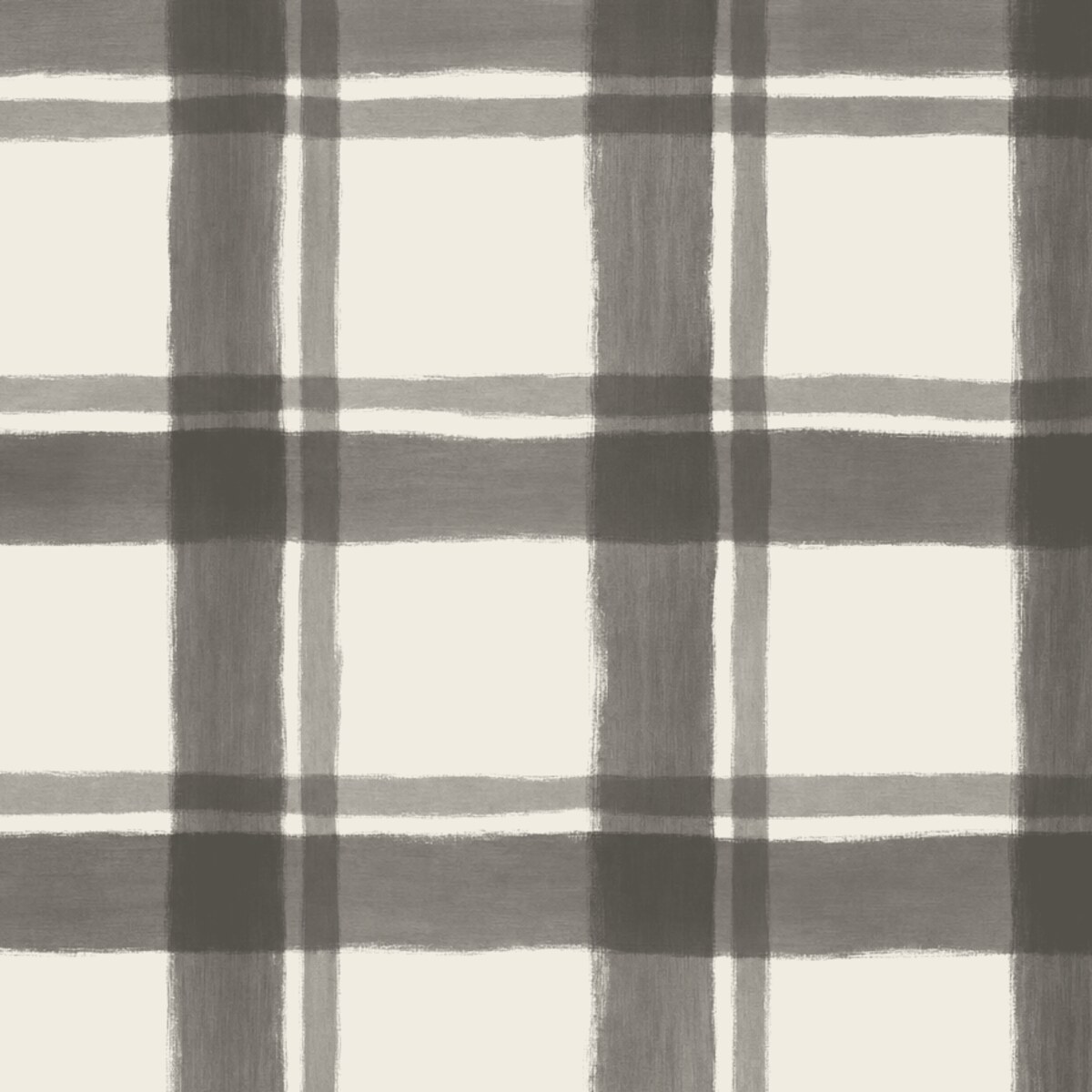
Hunter Check
Check · LargeHunter is the single best-selling residential wallcovering SKU in the record at 530 lines, with Clark Plaid behind it at 224. The reference house draws only ten plaid and check papers out of 4,735 SKUs, so this sheet is in on what the order record does rather than on what the category stocks.
The mechanic
One artwork, any paint colour
Each pattern is drawn once in greyscale and mapped onto a paint colour at print time, so the ground lands on the published hex exactly rather than approximately. Below is Heron & Sprig in six of the twelve most-ordered Samplize colours. No new artwork, no new stock, no colour approval round.
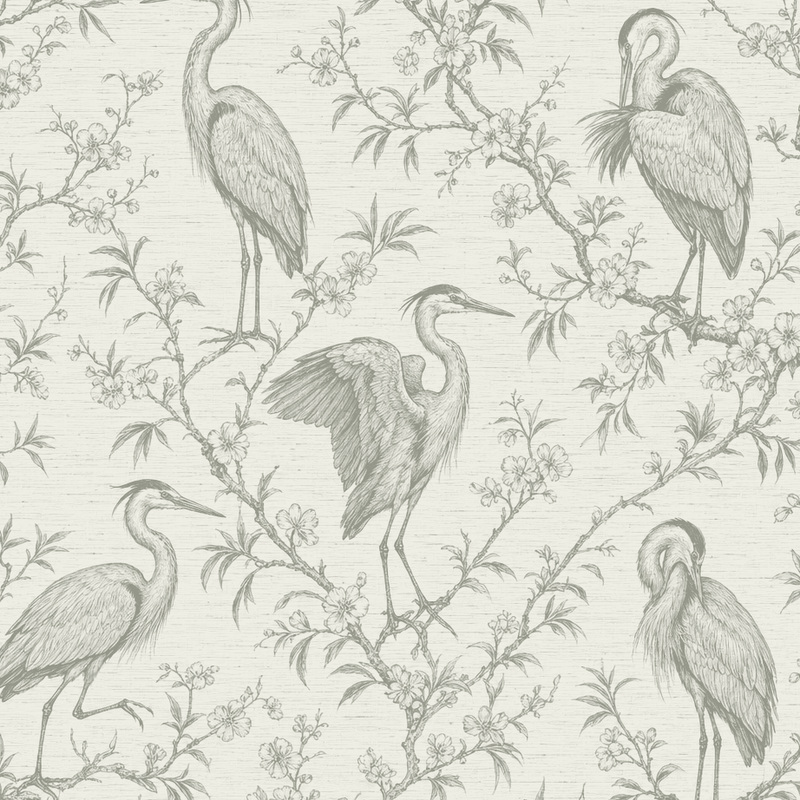
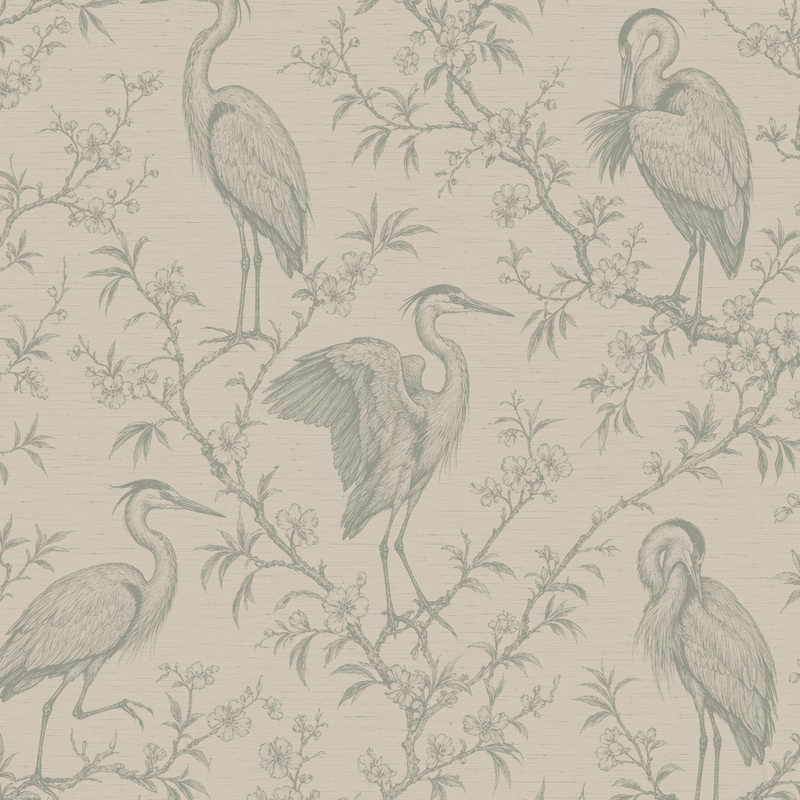
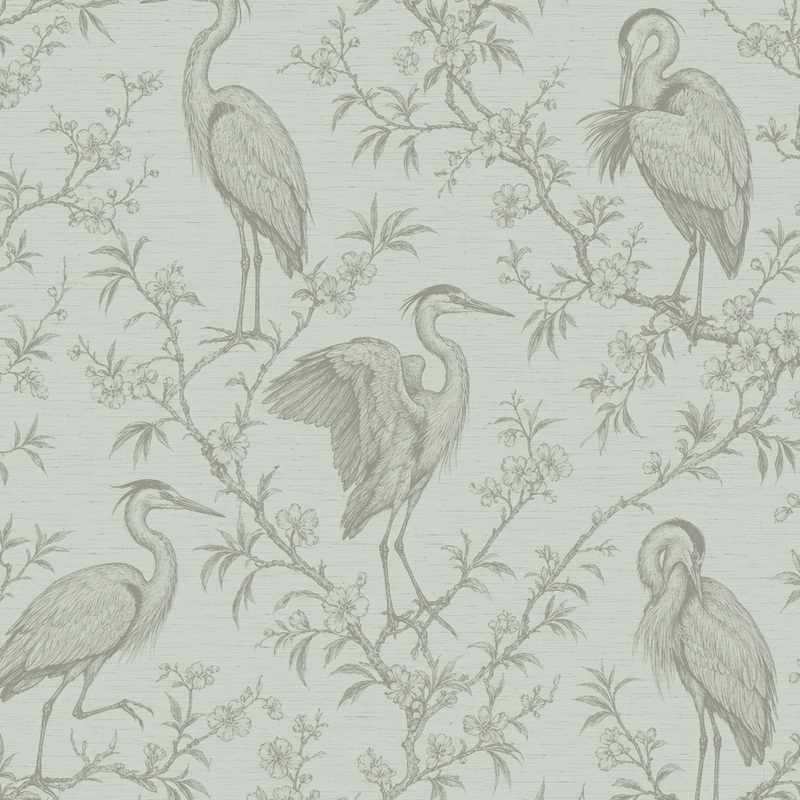
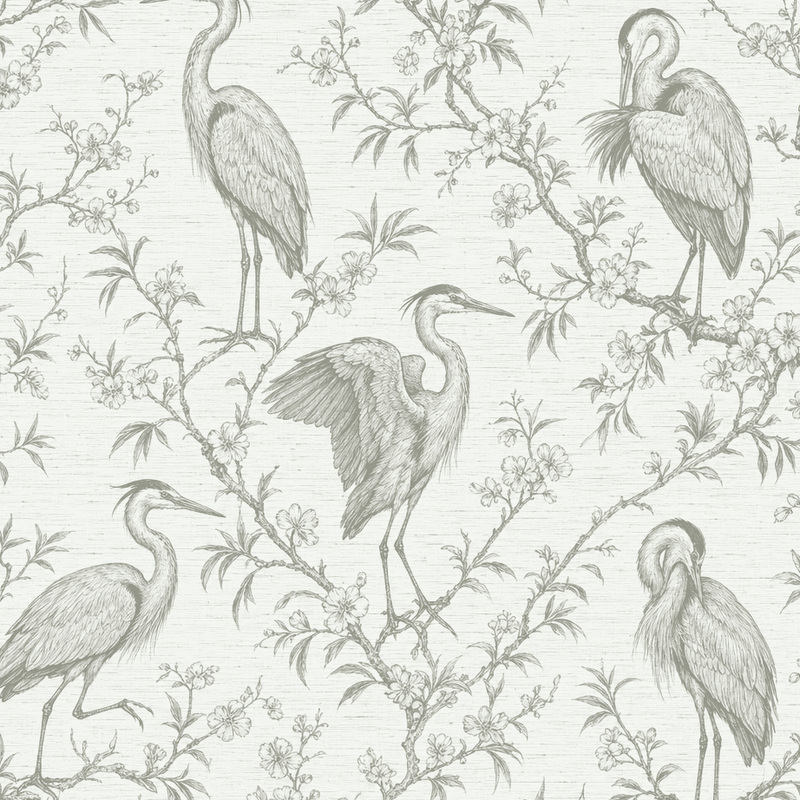
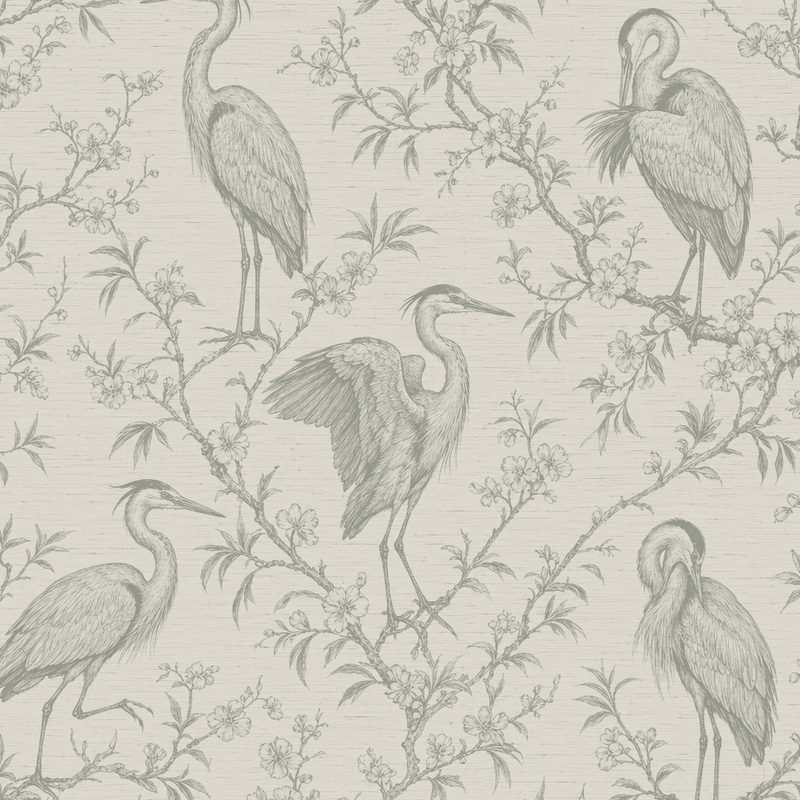
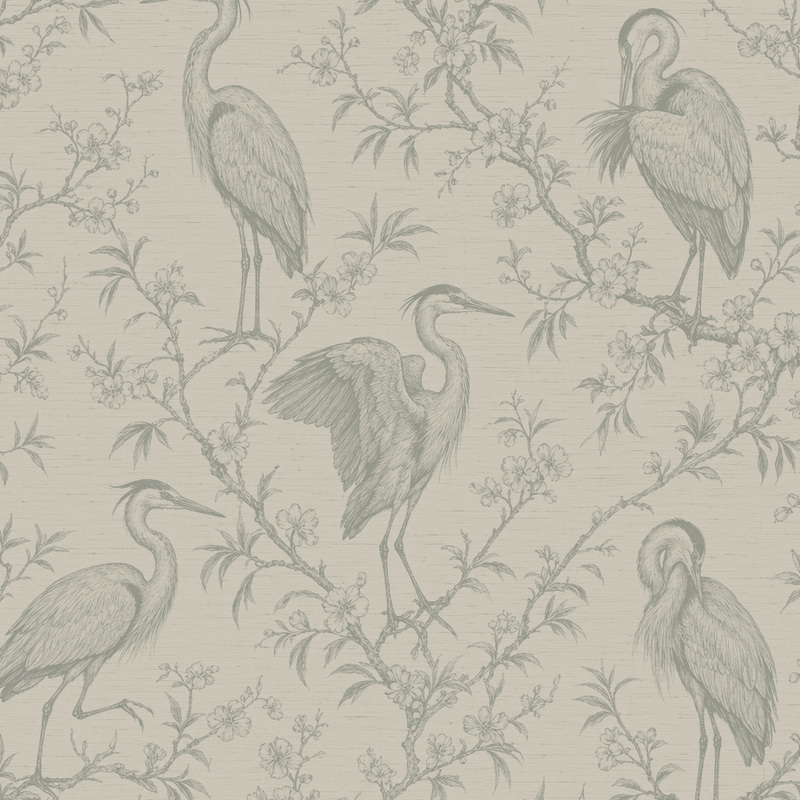
Same source file in all six. Ground colour verified as the modal pixel value of each render, matching the catalogue's published hex to within two 8-bit steps per channel, the residual being JPEG quantisation.
The colours to lead with
Ranked by Samplize consumer order lines over twelve months. These twelve carry 13.8% of everything the channel sells.
Hex values are the catalogue's own published HEXADECIMAL_COLOR for each colour, not sampled from a photograph. Evergreen Fog, Hale Navy, Iron Ore, Urbane Bronze and Naval sit further down the same ranking and carry the darker halves of the pairs above. Pewter Green, Van Deusen Blue, Cloud White and Natural Linen are chosen for contrast against their ground rather than by rank, and carry no order figure here.
Already served, tested
What exists, and what the gap actually is
| Who | What they do | Why the gap stays open |
|---|---|---|
| Farrow & Ball | Prints wallpaper using its own paint, and already licensed to Samplize at 7.5% of order lines. | Own palette only, and no route from a Benjamin Moore or Sherwin-Williams chip, which are 91.7% of what Samplize sells. |
| Little Greene | Names wallpaper colourways after its own paint colours. | Own palette only. |
| Livette's Wallpaper | Prints a chosen pattern to any named Sherwin-Williams colour. 6,811 residential lines from 260 SKUs, 26.2 lines per SKU. | The closest prior art, and it works. It sits on its own site, one paint brand deep, reached only by people who already know to look. |
| Wolf-Gordon | Sells Scuffmaster paint and wallcovering from one site. | Owns both materials and has never keyed one to the other. |
| The shelf at large | 56,950 live wallcovering SKUs from 99 makers. | Two name a paint manufacturer in their text. Forty-nine offer a custom colour match, all from one maker. |
Text match over product name, description, collection, features and keywords. A floor: a maker offering colour matching without saying so in those fields is not counted.
Anyone can print the paper. Nobody else is standing in the doorway when the colour is picked.
The proposal
What to build
The twelve above: nine drawings, a woven ground, a wash, and one drawing printed in reverse. Scale leans large, because large indexes 1.80 against 0.82 for small on the same 240,566 residential lines, though the range runs four large, five medium and one small: a rosette and a check want a different scale from a heron. Drawn dense throughout, because the reference houses put twenty to forty motif instances in a sheet view where a first pass put four to eight.
Any colour the customer has in the basket, printed to the published hex. Merchandise the first 24, which carry a fifth of everything Samplize sells, and let the tail be reachable rather than stocked.
Peel-and-stick, cut square to sit beside the 9×15 paint sheet, priced alongside it, shipped in the same envelope overnight. The product is that the two arrive together and go on the wall side by side under the customer's own light.
Presented at the moment the colour is chosen, in the basket. Today 3.9% of residential paint orders carry any wallcovering sample.
Sampling first, roll sales second. The sheet is the acquisition product and the instrument: it records which pattern-and-colour pairs people actually stick on a wall, a signal nobody in the category holds.
Where this could be wrong
Read these before quoting any figure above
- The pattern evidence is still mostly trade. With no wallcovering on Samplize there is nothing there to rank patterns with. The pattern figures come from Material Bank residential projects and from DesignShop, which is small at 13,308 lines and heavily weighted to one brand's textural range. Only the colour figures are pure consumer.
- DesignShop's texture index is a supply artefact. Its shelf holds 11.4% texture against the trade shelf's 51.8%, so the same behaviour reads as an index of 2.85 in one record and 0.59 in the other. The families both records rank high are the safe ones.
- The index compares two populations. Residential order share is set against the whole live shelf, which is built mainly for contract work. 3.35 is a direction, not a ratio.
- Sheen breaks colour matches. A printed film and a painted wall reflect differently, and two surfaces can measure the same and read differently on site. It is the first objection a colourist will raise, and the peel-and-stick format is the best available answer to it because the customer tests both under their own light.
- These twelve are renders, not products. They are drawn to the motifs the data ranks. Turning them into a printable range needs proper repeat construction, a drawn colour separation, and print trials on the actual substrate. The image files are square swatch crops rather than tiling repeats.
- One sheet is a forward reading rather than a rear-view one. Every pattern above is grounded in Material Bank's own record, by motif rank, by a named best-selling SKU, or by scoped search demand. Rosette is the one whose case leans on a rising signal as much as a settled one: the order record puts animal print second of eighteen families, and Pinterest puts "leopard print bedroom" among its fastest-growing home decor keywords. Both point the same way, which is why it is in; a reader should know it is the newest of the twelve.
- A sample order is intent, not a sale. Nothing here measures roll conversion.